Reviewing the Harriers Mom SVG Design for Real Embroidery
As a designer who spends more time staring at stitch maps than actual fabric, I have learned to be skeptical of digital assets that promise perfection without showing the work. When I first opened the Harriers Mom SVG Design, my immediate reaction was not just about aesthetics, but about feasibility. In the world of Crafts and Graphics, it is easy to find pretty pictures, but finding a design that translates well from a screen to a needle is a different challenge entirely. This review breaks down how this specific asset holds up when moved from a digital folder to a real-world embroidery project.
First Impressions and Visual Personality
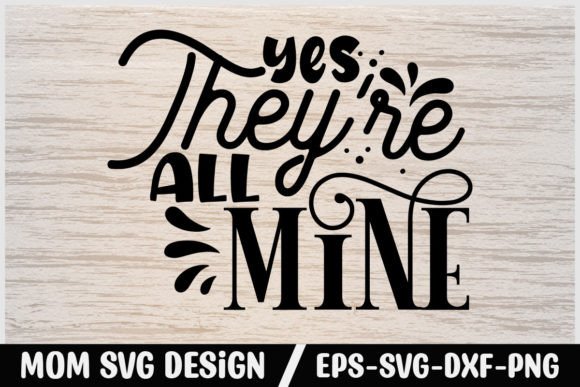
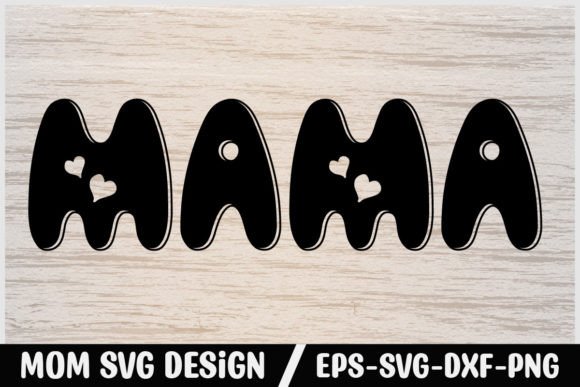
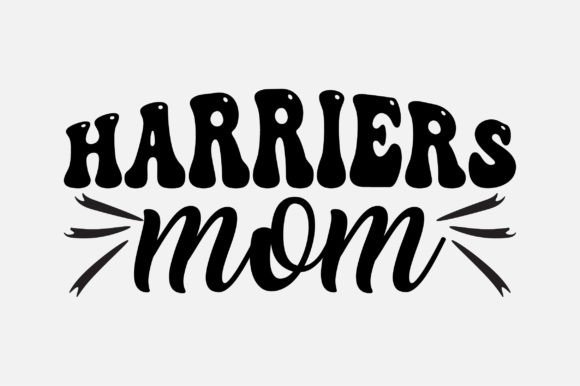
The mood of the Harriers Mom SVG Design is warm, nostalgic, and proudly supportive. It does not scream for attention with chaotic lines; instead, it relies on clean shapes and clear typography. For an embroidery designer, this is a relief. Complex gradients and tiny details often turn into a mess of thread breaks and bird nests on the machine. This design feels intentional. The layout suggests a balance between text and imagery that should remain legible even after the fabric puckers slightly under tension.
I imagine this design sitting comfortably in the niche of personalized family apparel. It is not just a generic label; it carries a sense of identity. Whether used for a weekend sports game or a casual family outing, the visual personality is approachable. It fits seamlessly into the category of custom apparel that customers actually want to wear, rather than hide in the back of the closet.
Real-World Application: The Sweatshirt Test
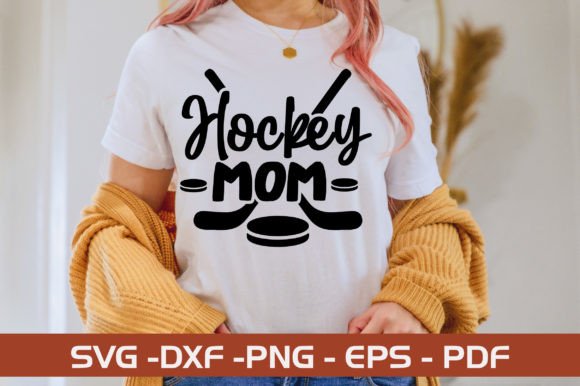
To truly evaluate a design, you must visualize it on a difficult surface. I mentally placed the Harriers Mom SVG Design on a heavy cotton-blend sweatshirt. This is a common request for Etsy sellers and small shop product creators during the cooler months. The design’s structure seems robust enough to handle the texture of fleece or French terry cloth.
In this scenario, the design would likely benefit from a fill stitch approach for any solid shapes to ensure coverage, while the lettering might require a careful satin stitch to maintain crisp edges. If the design includes any open areas, a running stitch outline could help define the shape without adding unnecessary bulk. The key here is stitch density. If the digital file is too dense, the sweatshirt will pucker. If it is too light, the underlying fabric color will show through, ruining the contrast. Based on the clean lines observed in the preview, I suspect this design has been optimized for standard home machines, but testing is always required.
Versatility Across Products
Beyond sweatshirts, where else does this asset shine? I see strong potential for:
- Tote bag design: The flat surface of a canvas tote allows for larger scaling, making the text highly readable.
- Embroidered patch: Creating a standalone patch allows for higher density stitching since the stabilizer is built into the backing. This makes for a durable handmade product that can be ironed onto jackets or bags.
- Baby embroidery: If scaled down appropriately, this could work on onesies or bibs, though care must be taken with thread softness and needle size.
- Holiday embroidery: Family gatherings often call for matching outfits. This design could easily become part of a coordinated set for photos.
For commercial embroidery professionals, having a versatile file like this in your library saves time. It reduces the need to create custom vector art from scratch for every client who wants a "Mom" themed item.
Technical Considerations and File Formats
One aspect that requires careful attention is the file type. The product description notes that this design contains EPS, SVG, PNG, and JPEG files. It explicitly states these are suitable for Cricut, Silhouette, and other cutting machines. This is a crucial distinction. As an embroidery reviewer, I must point out that SVG and EPS are vector formats, which are excellent for cutting vinyl or heat transfer material. However, they are not native machine embroidery design files like DST, PES, or JEF.
If you are an embroiderer, you cannot simply load an SVG into your embroidery machine. You will need to use digitizing software to convert these vectors into stitch data, or use the provided PNG as a reference for manual digitizing. The high-resolution PNG (4500×5400 at 300 dpi) is excellent for creating printable mockup previews for your online store. It allows you to show customers exactly what the finished product will look like before you stitch a single thread. This is invaluable for digital product sellers who need high-quality design assets for their listings.
Where to Use Caution
While the design is strong, it is not without limitations. I would advise caution when using this on:
- Stretchy fabric: Without proper stabilization, the text may distort during washing.
- Dark fabric: If the design relies on light thread colors, ensure you have high-quality thread to prevent breakage and ensure visibility. A black and white mockup test can help determine if the contrast is sufficient.
- Curved surfaces like caps: Caps require specialized digitizing to account for the curve. A flat design may look warped if not adjusted for the cap's geometry.
- Tiny lettering: If you scale the design down too small, the letters may merge together. Always check the minimum readable size on a scrap piece of fabric.
Enhancing Brand Value and Customer Trust
Using a well-structured design like the Harriers Mom SVG Design contributes to the perceived value of your craft business. Customers can spot a sloppy digitizing job from a mile away. Clean lines, consistent spacing, and professional presentation build trust. When a customer receives a personalized gift that looks polished, they are more likely to return and recommend your shop.
For apparel decorators, consistency is key. If you use this design across multiple products, ensure your thread colors match your brand palette. This creates a cohesive look that strengthens brand recognition. Whether you are selling at a craft fair or online, the professionalism of your embroidery reflects directly on your business reputation.
Practical Designer Notes
Before you commit to a full production run, follow these steps:
- Test on scrap fabric: Never stitch a new design directly on the final garment. Use a similar fabric weight and type to check for puckering or thread breaks.
- Check stabilizer: Use the appropriate stabilizer for your fabric. Cut-away stabilizer is often best for stretchy fabrics, while tear-away works for stable wovens.
- Verify licensing: The description mentions suitability for cutting machines, but always confirm the license terms for commercial use if you plan to sell the embroidered patch or apparel. Ensure you have the right to use the design for profit.
- Inspect small details: Zoom in on the digital file. Are there any stray pixels or awkward curves that might cause issues during digitizing or stitching?
In conclusion, the Harriers Mom SVG Design is a solid addition to a designer’s toolkit, particularly for those who also utilize cutting machines or need high-resolution images for marketing. With careful digitizing and attention to fabric choice, it can produce beautiful, marketable results for a variety of handmade products. It is a reminder that good design is not just about how it looks on screen, but how it performs under the needle.